
This post contains affiliate links.
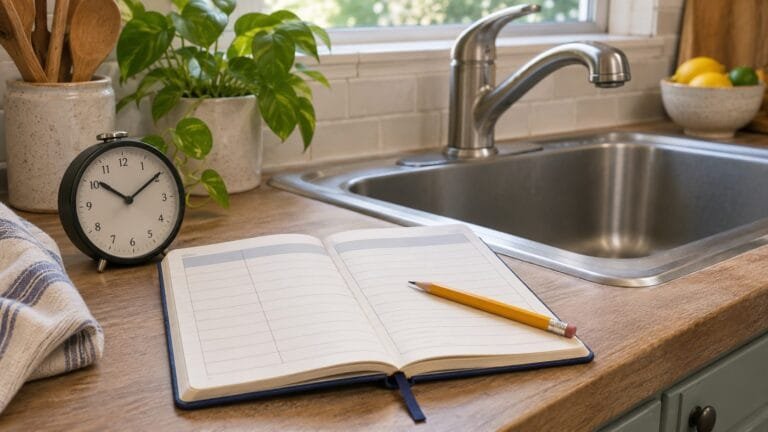
A useful water-system diary describes what happened, when it happened and what else was going on. It can help a qualified technician understand an intermittent complaint that may not occur during a visit. Recording observations does not require opening equipment or attempting repairs.
Begin With a Normal-Day Note
Write a brief description of how the system usually behaves in ordinary use. Use everyday language and only record what you can observe safely. That gives later notes a point of comparison.
If an existing gauge is visible without approaching electrical or other hazards, you can ask your technician whether reading it is useful. Do not adjust settings or operate unfamiliar controls to make a diary entry.
Make Each Entry Specific
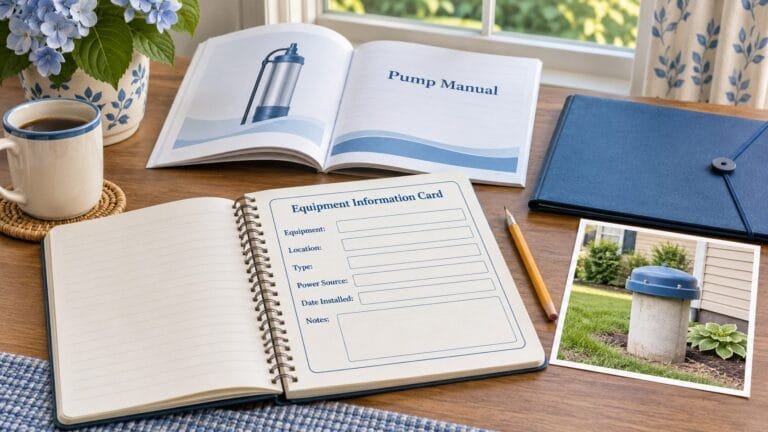
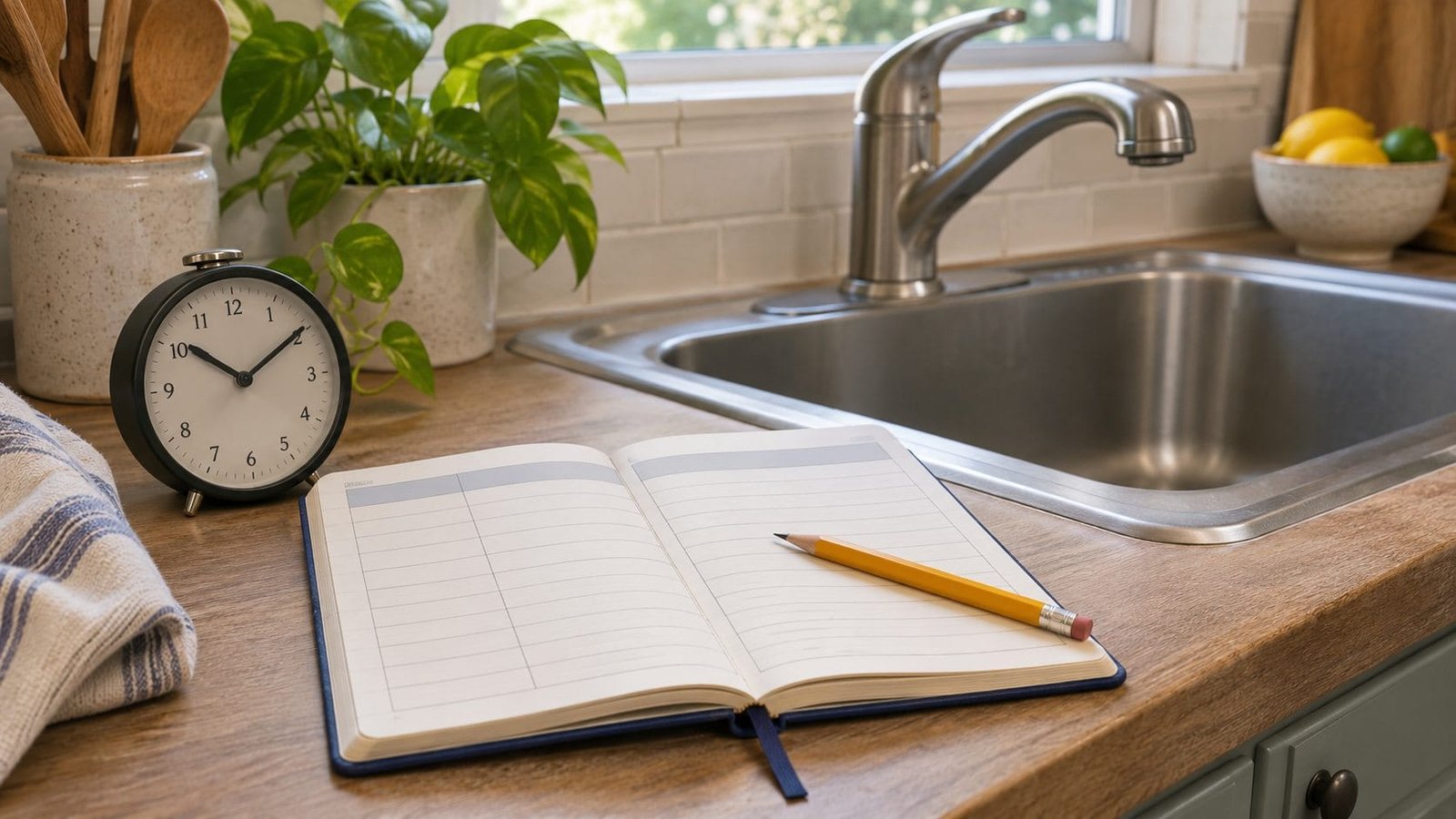
Use fields for date, time, the fixture being used, what you noticed and how long it lasted. Record whether several taps were in use or whether there had been an outage. “Water flow changed while the shower and garden tap were on” is more useful than “pump bad.”
Add a question rather than a diagnosis. A symptom can have more than one explanation, and a diary cannot confirm which one applies to your system.

Keep Evidence Safe and Modest
A short sound recording or photograph may help if it can be made safely from a normal occupied area. Stop if collecting evidence would involve standing in water, approaching damaged equipment or exposing electrical parts.
If there is an immediate hazard, arrange appropriate emergency help instead of finishing the log. For a sudden change in water quality, use your local health authority’s guidance rather than assuming the pump is the only concern.
Bring a Short Summary to the Visit
Before service, choose the clearest examples and keep the original notes available. List what has already been checked professionally and any recent work on the system.
Ask the technician which observations would be useful if the problem returns. The best diary is concise enough to read and accurate enough to support a conversation, without turning uncertainty into a home diagnosis.
Further guidance: CDC well-water safety information.
Keep Exploring
This post contains affiliate links.